
At first glance, glass mosaics often look similar. Whether recycled or regular, both reflect light, add colour, and create visual depth. However, once you move beyond the surface, the differences begin to show. These differences are not always visible on day one. Instead, they appear over time, through performance, installation behaviour, and long-term consistency.
So, if you’re choosing between recycled glass mosaics and regular glass mosaics, especially when exploring solutions like Veneto’s recycled glass mosaics, the real question is not which looks better. The question is: what actually changes once the material enters a real space?
Understanding the Material Beneath the Surface
Before comparing, it helps to understand what sits behind both materials.
Regular glass mosaics are typically made using virgin raw materials. Manufacturers melt silica, soda ash, and other components to create a controlled glass base. This process allows for high consistency in colour and finish.
On the other hand, recycled glass mosaics, including those developed by Veneto, use processed glass cullet. This cullet often comes from post-consumer or pre-consumer waste. However, manufacturers refine, clean, and remelt it before forming the final product. As a result, the material no longer reflects its original form. It is processed into a refined and consistent surface.
Because of this processing, both materials may appear similar at a glance. Yet, their behaviour in real applications begins to differ.
Visual Finish: Controlled vs Slightly Expressive
One of the first noticeable differences lies in how the surface interacts with light.
Regular glass mosaics tend to offer a highly uniform finish. Each tile looks consistent in tone and texture. This makes them suitable for spaces where visual predictability matters.
In contrast, recycled glass mosaics often carry a subtle variation. This does not mean inconsistency. Instead, it creates a slightly more expressive surface. Light reflects differently across tiles, especially in larger installations. As a result, the surface feels more dynamic, particularly in areas like pools or water features.
For designers and homeowners, this difference becomes a matter of preference. Some projects benefit from precision. Others benefit from slight variations that make the surface feel more natural.
Performance in Water-Heavy Spaces
This is where the distinction becomes more practical.
Water-facing environments such as pools and spas need materials that remain stable over time. Materials must handle constant exposure to moisture, chemicals, and temperature changes.
Recycled glass mosaics, especially those manufactured through sintering processes, tend to perform reliably in such conditions. The material structure supports low water absorption and maintains stability over time.
Regular glass mosaics can also work in wet areas. However, performance depends heavily on the manufacturing process and installation system. Not all glass mosaics respond equally to prolonged water exposure.
Therefore, when the application involves continuous water contact, the choice of material requires closer attention. More than about appearance, it becomes a question of durability. This is also why materials like Veneto’s recycled glass mosaics are often considered for pools, spas, and water-led spaces.
Installation Behaviour: Where Things Often Go Wrong
Installation plays a significant role in how glass mosaics perform. Interestingly, this is where many projects face issues due to how the material gets installed.
Recycled glass mosaics often come with specific backing systems designed for better adhesion. Some use advanced mounting methods, such as Veneto’s LinkTec back-mounted sheets, which allow higher contact between tile and substrate. This improves bonding strength and reduces the risk of tile detachment.
Regular glass mosaics, especially mesh-backed variants, may behave differently depending on adhesive compatibility. If the wrong thinset or adhesive is used, failures can occur over time.
Moreover, movement joints become critical in both cases. Surfaces expand and contract due to temperature and structural shifts. If installers ignore this factor, even high-quality mosaics can crack or loosen.
So, while both materials require proper installation, recycled glass mosaics often come with clearer system-level guidance. This reduces uncertainty on-site.

Consistency Across Batches and Supply Realities
Another factor that often gets overlooked is supply consistency.
Regular glass mosaics usually follow a highly standardised production process. This ensures consistent colour across batches. For large-scale projects, this predictability simplifies planning.
When the base material is refined and colour-controlled, recycled glass mosaics can achieve a high level of consistency across batches.
For this reason, professionals often recommend ordering from a single lot for uniformity. Sample approvals also become important before finalising selections.
Additionally, lead times may differ. Recycled glass mosaics can sometimes require longer production cycles. However, with proper planning, this does not disrupt project timelines.
Cost vs Long-Term Value
Cost often influences decision-making. Yet, focusing only on upfront pricing can lead to incomplete conclusions.
Regular glass mosaics may appear more accessible initially. Their standardised production supports competitive pricing.
Recycled glass mosaics, on the other hand, may carry a higher upfront cost. However, this reflects the processing involved and, in many cases, the performance benefits in demanding environments.
When evaluating cost, it helps to consider long-term factors. Maintenance, durability, and replacement risks all contribute to the overall value of the material.
In water-heavy or high-use areas, a material that performs consistently often reduces future intervention. Over time, this can offset the initial investment.

Where Recycled Glass Mosaics Fit Best
Recycled glass mosaics find strong relevance in applications that demand both performance and visual depth.
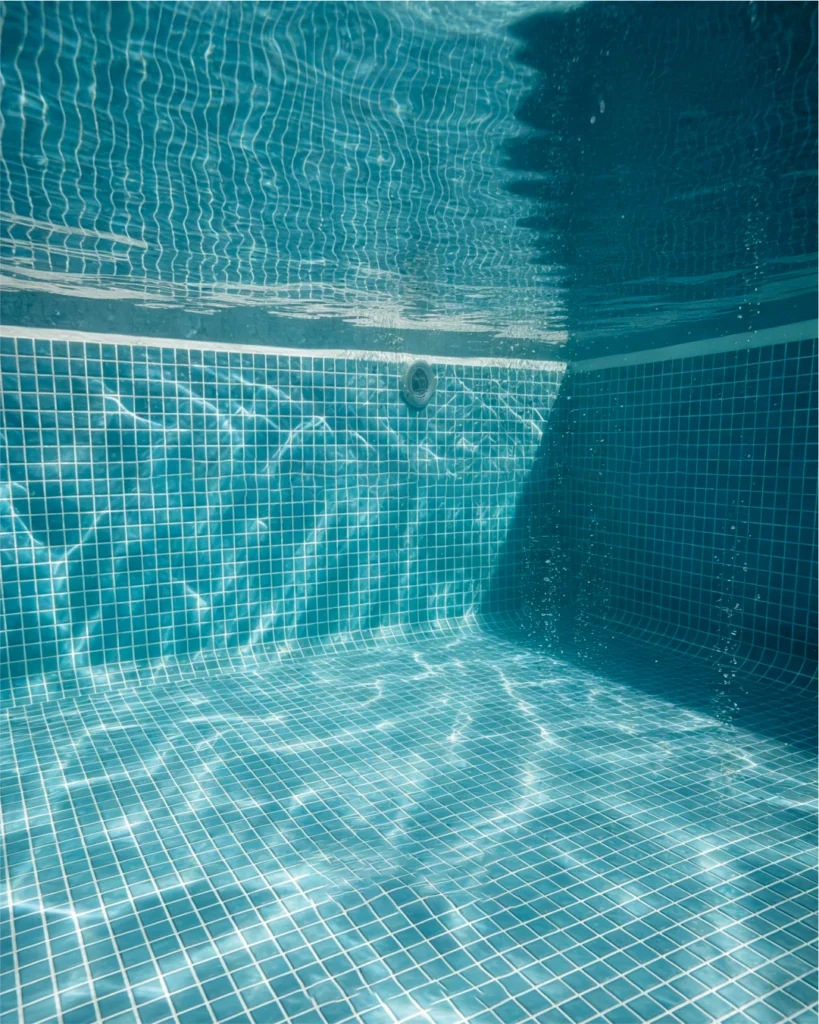
In pools and spas, the surface changes visually as water moves and light reflects. The surface does not appear flat. Instead, it shifts subtly with movement and reflection.
Water features and wellness spaces also gain from this quality. The material enhances the sensory experience without appearing overly decorative.
In materials designed specifically for water-led spaces, such as those seen in Veneto’s recycled glass mosaic range, both performance and visual outcome are considered together. Rather than treating sustainability as a surface-level message, the material is designed for specific use cases.
Where Regular Glass Mosaics Still Work Well
Regular glass mosaics continue to hold value in several applications.
In interior applications such as feature walls and backsplashes, visual consistency often takes priority, making them well-suited for such surfaces.
Additionally, projects that require strict colour matching across large areas may find regular glass mosaics more suitable.
The key lies in aligning the material with the application. One does not replace the other. Each serves a different purpose.
Making the Right Choice
Choosing between recycled and regular glass mosaics does not require a binary decision. Instead, it requires clarity on where and how the material will perform.
If the space involves water exposure, long-term durability, and changing environmental conditions, recycled glass mosaics, such as those offered by Veneto, often provide an advantage.
If the focus remains on visual consistency in controlled interiors, regular glass mosaics continue to deliver.
Ultimately, the difference shows not at the time of installation, but in how the surface behaves over time.
FAQs
1. Do recycled glass mosaics look different from regular ones?
Yes, but the difference is subtle. Recycled glass mosaics may show slight variation in tone, which creates a more dynamic surface under light.
2. Are recycled glass mosaics stronger than regular glass mosaics?
In many water-facing applications, recycled glass mosaics, especially sintered ones, offer reliable performance. However, strength also depends on manufacturing quality and installation.
3. Can both types be used in swimming pools?
Yes, but not all glass mosaics behave the same way in water. Recycled glass mosaics designed for such environments often perform better over time.
4. Do recycled glass mosaics require different installation methods?
They may require specific adhesives or backing compatibility. Following manufacturer guidelines becomes essential to avoid failures.
5. Is there a major cost difference between the two?
Recycled glass mosaics can cost more initially. However, they may offer better long-term value in demanding applications.